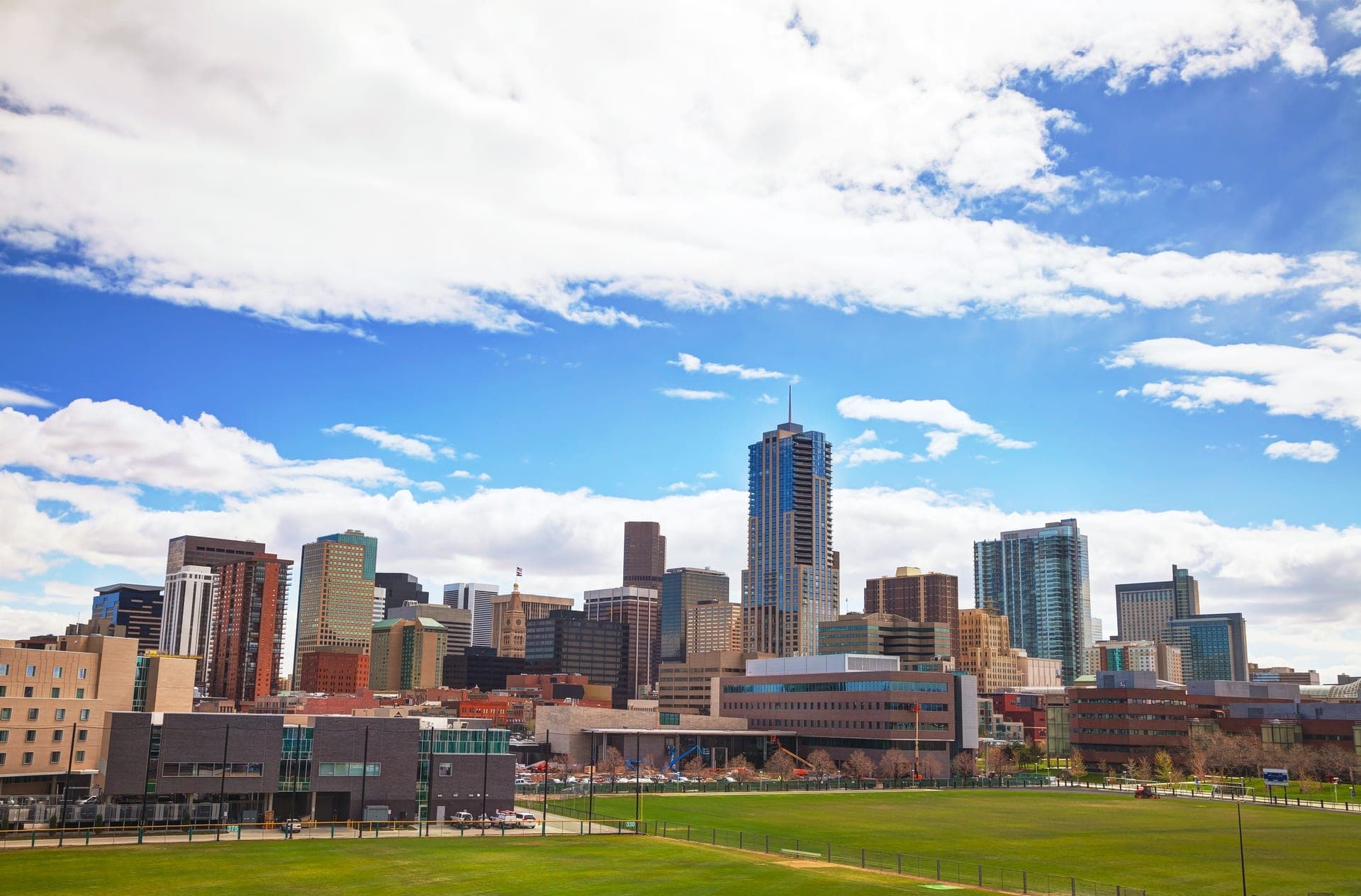
Denver is a city of extremes. You can wake up to 70-degree sunshine and be shoveling snow by dinner. That kind of unpredictability makes timing your move more important here than in most cities. At Exquisite Logistics Moving, we have completed moves in every month of the year across more than a decade of serving Denver and beyond. With over 7,000 customers moved since 2010, we know exactly how each season affects your move, from pricing and availability to road conditions and crew efficiency. Here is everything you need to know about choosing the right time to move in Denver.
Table of Contents
Denver's Unpredictable Weather
Before we get into the season-by-season breakdown, it is worth understanding what makes Denver weather so unique. Sitting at 5,280 feet on the western edge of the Great Plains, Denver experiences rapid and dramatic weather swings that are unlike almost any other major city in the country.
Temperature swings of 40 to 50 degrees in a single day are not unusual. Denver can see snow as early as September and as late as May. The city averages around 300 days of sunshine per year, but those sunny days can be interrupted by intense, fast-moving storms that drop significant snow and then clear out within hours. Chinook winds rolling off the Front Range can raise temperatures by 30 degrees in under an hour.
What does this mean for your move? It means that no matter when you schedule it, you need a moving company that is prepared for anything. A sunny forecast in the morning does not guarantee dry conditions by the afternoon. Professional movers who work in Denver every day understand these patterns and plan accordingly.
Spring Moving (March - May)
Spring in Denver is a season of transition, and that applies to moving as much as it does to the weather. March can still bring major snowstorms. Denver's snowiest month historically is actually March, not December or January as most people assume. By May, conditions are typically warm and dry, though late-season snow is always possible.
Spring Moving Pros and Cons
Advantages
- •Good availability before summer rush
- •Moderate pricing (pre-peak rates)
- •Longer daylight hours than winter
- •Comfortable temperatures for physical work
Challenges
- •March snowstorms can cause delays
- •Mud season makes unpaved areas messy
- •Highly variable day-to-day conditions
- •Wind can complicate loading and unloading
Spring is a solid choice for Denver moves if you can be flexible with your exact date. The key is having a backup plan in case a late-season storm rolls through. Working with a local moving company that monitors weather forecasts daily and communicates proactively about scheduling is essential during this transitional season.
Summer Moving (June - August)
Summer is peak moving season in Denver, and for obvious reasons. School is out, the weather is consistently warm, and leases tend to turn over. But peak season comes with significant trade-offs that every mover should understand before committing to a summer date.
Demand and pricing: Summer is when moving companies are busiest. Prices are at their highest, and last-minute availability is extremely limited. If you know you are moving in June, July, or August, booking four to six weeks ahead is not just a suggestion. It is a necessity. Waiting until the last minute can mean paying premium rates for limited time slots or not finding a reputable company with availability at all.
Heat considerations: Denver summers regularly hit 90 to 100 degrees. While the dry climate makes it more tolerable than humid cities, hauling furniture and boxes in that heat is physically demanding. Afternoon thunderstorms are common from June through August, typically rolling in between 2:00 and 5:00 PM. These storms can be intense but usually pass quickly.
Best strategy for summer moves: Book early, request a morning start time to beat the afternoon heat and storms, and make sure your moving company provides adequate water and breaks for the crew. At Exquisite Logistics Moving, we schedule summer moves to start early and build afternoon weather into our timeline estimates, so there are no surprises.
Fall Moving (September - November)
Ask any experienced Denver mover what the best time to move is, and most will say fall. There is a good reason for that. September and October in Denver are often spectacular: warm days in the 60s and 70s, cool nights, low humidity, and clear skies. The summer crowds have thinned out, school is back in session, and the frantic pace of peak season has settled.
Pricing drops: After Labor Day, most moving companies begin lowering their rates. The difference can be significant. A move that costs $800 in July might cost $600 to $650 for the same scope of work in October. You are getting the same crew, the same equipment, and the same level of service, just at a better price.
Better availability: With fewer people moving, you have more flexibility to choose your preferred date and time slot. Weekend availability, which is nearly impossible to find last minute in summer, opens up considerably in fall.
Weather risks: The main caution is that Denver's first snowfall can arrive as early as late September, though October is more typical. These early-season storms are usually manageable since temperatures are still warm enough for snow to melt quickly. November brings more consistent cold and the possibility of significant snowfall, so earlier in the fall is generally better than later.
Winter Moving (December - February)
Winter is the bargain season for Denver moves, but it comes with real trade-offs. If you are budget-conscious and flexible, winter can save you serious money. If you need reliability and predictable scheduling, it requires more planning and the right moving company.
Cost savings: Winter rates can be 20% to 30% lower than summer peak pricing. Availability is wide open, and many companies are happy to negotiate on price during their slowest months. If cost is your primary concern and you have flexibility on timing, December through February offers the best deals.
Snow and ice: Denver averages around 57 inches of snow per year, with most falling between November and March. A moderate snowstorm can delay your move by a day or two. Icy sidewalks and driveways create safety hazards when carrying heavy items. Parking restrictions during snow emergencies can limit where the truck can park.
I-70 closures: If your move involves traveling west through the mountains, I-70 closures are a real concern in winter. The Eisenhower Tunnel and the stretch through Glenwood Canyon are frequently closed during major storms. Long distance moves heading west may need to be rerouted or delayed, adding time and cost.
Daylight: Denver gets about nine hours of daylight in December compared to nearly fifteen hours in June. That shorter window means moves need to be tightly scheduled, and large homes may require a two-day move or an early start with outdoor lighting.
Cost Differences by Season
To give you a realistic picture, here is how pricing for a typical two-bedroom local move in Denver breaks down across seasons.
Average Cost by Season (2BR Local Move)
- •Winter (Dec - Feb): $350 to $550. Lowest demand, best rates, widest availability.
- •Spring (Mar - May): $400 to $650. Demand building, moderate rates, good availability.
- •Summer (Jun - Aug): $550 to $850. Peak demand, highest rates, limited availability.
- •Fall (Sep - Nov): $400 to $600. Demand dropping, competitive rates, flexible scheduling.
These ranges reflect the Denver market generally. Your actual cost depends on the size of your home, the distance of your move, stairs and access challenges, and any add-on services like packing or furniture disassembly. Visit our pricing page for detailed breakdowns, or get a free quote for your specific move.
How ELM Prepares for All Conditions
At Exquisite Logistics Moving, we do not just show up and hope for the best. Every season requires specific preparation, and our crews are trained for all of them.
Winter preparation: We carry ice melt, sand, and floor runners on every winter move. Our trucks are equipped with snow chains for mountain routes. We monitor weather forecasts 72 hours in advance and communicate proactively with customers about any potential delays. If conditions are unsafe, we reschedule at no additional cost.
Summer preparation: Early morning start times are standard during peak heat months. We provide water and hydration supplies for crews. Moving blankets and protective wrapping prevent heat-related damage to items like candles, vinyl records, and electronics that can be affected by high truck temperatures.
Year-round standards: Regardless of the season, every move includes furniture blankets, shrink wrap, floor protection, and a fully equipped truck. Our crews have been moving in Denver's altitude and conditions for years, so they are physically acclimated and experienced with the unique challenges that Colorado presents.
We have operated through blizzards, heat waves, hailstorms, and everything in between. That experience is something you cannot get from a company that only does a few moves a month or a group of friends with a rental truck.
Seasonal Booking Tips
No matter when you decide to move, a few strategies can help you get the best experience and price.
Tips for Every Season
- •Book early in summer: Four to six weeks minimum. Eight weeks is even better for weekend dates.
- •Mid-week moves save money: Tuesday through Thursday is typically cheaper than weekends, regardless of season.
- •Avoid end-of-month dates: Most leases end on the last day of the month, creating a surge in demand on the 28th through the 1st.
- •Be flexible in winter: Build a two to three day weather buffer into your schedule for potential storm delays.
- •Ask about off-peak discounts: Many companies, including ELM, offer better rates during slower periods. It never hurts to ask.
Frequently Asked Questions
What is the cheapest time of year to move in Denver?
Winter (December through February) is typically the cheapest time to move in Denver. Demand drops significantly, and most moving companies offer lower rates and better availability. However, you should factor in the risk of snow delays and the possibility of rescheduling due to weather. If you want the best balance of price and weather, early fall (September and October) is an excellent choice.
When is peak moving season in Denver?
Peak moving season runs from June through August. This is when demand is highest, prices are at their peak, and availability is most limited. If you need to move during summer, booking four to six weeks in advance is strongly recommended. Mid-week dates and mid-month timing can help you find better rates even during peak season.
Can you move during a snowstorm in Denver?
It depends on the severity. Light snow rarely causes cancellations for local moves. However, heavy snowstorms with significant accumulation or icy conditions may require rescheduling for safety. At Exquisite Logistics Moving, we monitor weather closely and communicate proactively with customers about any schedule adjustments. If we need to reschedule due to unsafe conditions, we do so at no additional cost.
Is fall really the best time to move in Denver?
Many Denver residents and moving professionals consider fall the sweet spot. September and October offer mild, dry weather with temperatures in the 60s and 70s. Summer peak pricing has dropped, and availability opens up significantly. The main risk is early-season snow, but these storms are usually light and melt quickly. If you can choose your timing, early fall is hard to beat.
How does Denver weather affect long distance moves?
Denver weather can impact long distance moves in several ways. Winter storms can close I-70 through the mountains, adding delays to westbound moves. Summer heat can affect the interior temperature of the moving truck, which matters for temperature-sensitive items like electronics, vinyl records, and candles. Professional movers plan routes and timing around weather forecasts to minimize these risks and protect your belongings throughout the journey.