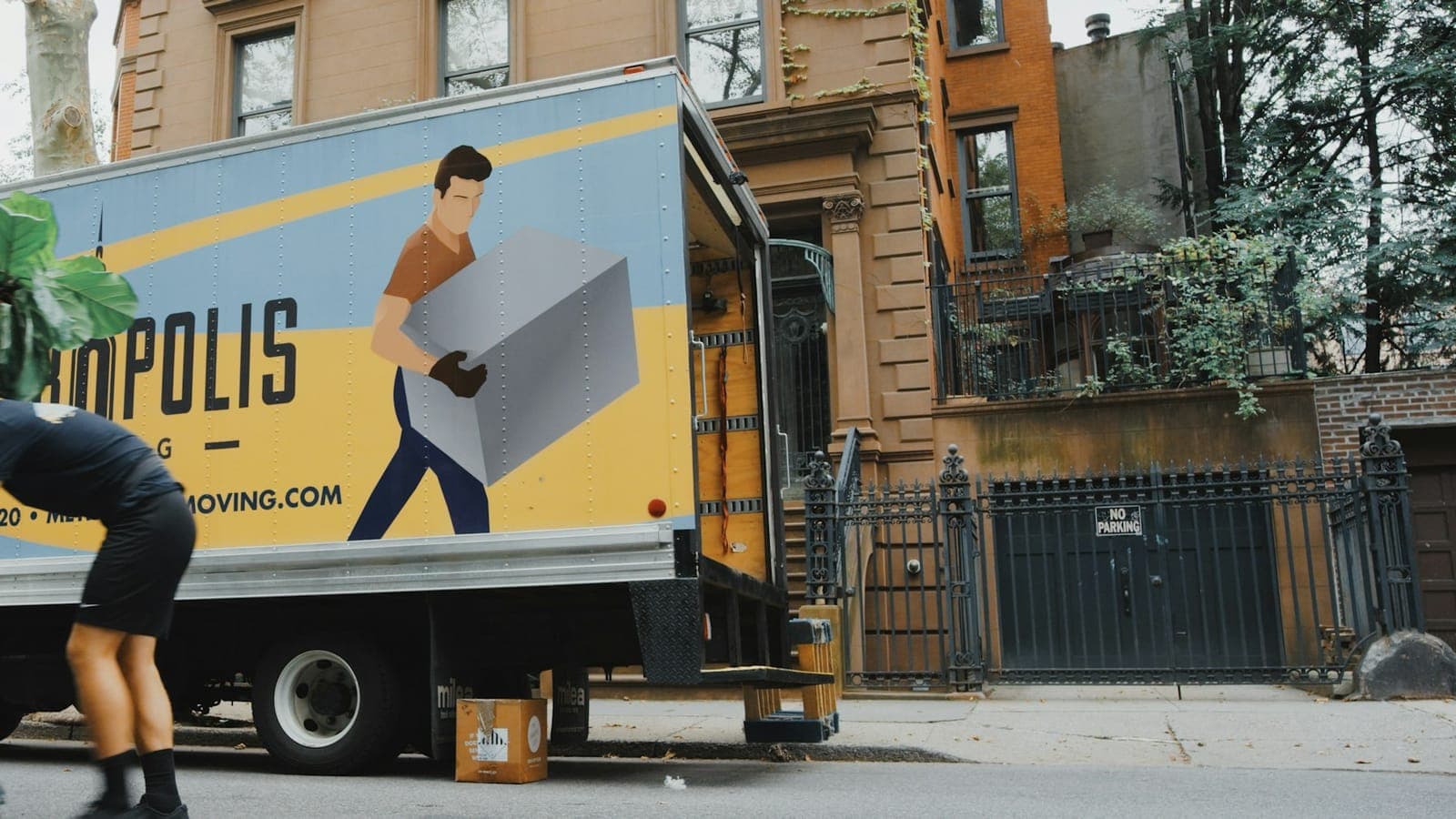
Summer moving in Denver has a rhythm all its own. The days are long, the calendar fills up fast, and the weather can swing from a 90-degree afternoon to a hail-spitting thunderstorm before you finish loading the truck. We've run summer moves across the Front Range for more than a decade, and the families who plan around the heat, the altitude, and the month-end rush almost always have an easier day than the ones who wing it. This guide walks through everything we tell our own customers: when to book, how to keep your move-day costs down, what the Mile High sun does to your stuff, and how our crews keep things moving safely when the pavement is radiating heat. Whether you're hopping neighborhoods in LoHi or heading across the metro, a little prep goes a long way.
Table of Contents
Why Denver Summers Book Out So Fast
Summer is the busiest stretch of the year for movers, and Denver feels it more than most cities. Roughly two out of three U.S. household moves land between May and September, with the heaviest demand falling between Memorial Day and Labor Day. June, July, and August are the peak of the peak. When you add Denver's own pressures on top of that national wave, the good dates disappear quickly.
Locally, the crunch gets sharper because so many things turn over at once. Apartment leases across Cap Hill, Five Points, and Baker tend to end on the last day of the month, and university move-in waves at DU, CU Denver, and CU Anschutz stack right on top of that. The result is that the last weekend of June, July, and August can be nearly impossible to book at the last minute, even for a small studio.
The dates that fill first (and what to do about it)
- •End-of-month days, especially around June 30, July 31, and August 1
- •Saturdays and Sundays all summer long
- •The Friday before any holiday weekend
- •University move-in stretches in mid to late August
- •If your dates are flexible, ask us about a midweek slot in the second or third week of the month
- •Call (720) 241-3615 early to hold your preferred date with a deposit
When to Book Your Summer Moving in Denver to Save
Booking early does two things at once. It locks in your date before the calendar fills, and it usually gets you a better rate. We recommend reserving a summer Denver move about 6 to 8 weeks out. A small studio or one-bedroom can often be handled with around 4 weeks of lead time, but a four-bedroom house or a long-distance haul to another state needs more runway, so give us as much notice as you can.
Day of the week matters too. Weekday moves often run a bit cheaper than Fridays and weekends because demand is lower, and across the industry a Tuesday or Wednesday in the middle of the month tends to be the most affordable slot. If your schedule allows even a little flexibility, a midweek date can keep your total down while still getting you a full, experienced crew.
Weekend vs. midweek summer moves
Advantages
- •Midweek: lower demand and typically friendlier pricing
- •Midweek: easier to lock your first-choice crew and time
- •Midweek: quieter streets and loading zones in busy areas like RiNo and Cherry Creek
- •Weekend: no need to take time off work
Considerations
- •Weekend: highest demand, so dates and crews go fast
- •Weekend: peak-season weekend rates are the steepest of the year
- •Weekend: elevator and loading-dock reservations in apartments get competitive
- •Midweek: you may need a day off or a flexible work-from-home morning
Our pricing stays simple no matter the season. Base rates start at $199 for a studio or one-bedroom, $349 for a two-bedroom, $449 for a three-bedroom, and $649 for four bedrooms or more. Distance is $1.50 per mile beyond the first 10 miles, and there are no hidden fees. A 50% deposit books your date, and the balance is due on move day. You can grab a free online quote anytime or call us at (720) 241-3615.
The Denver Heat, Altitude, and Afternoon Storms
Denver summers are sunny and dry, with average July highs around 88 degrees and the hottest stretch (roughly mid to late July) pushing past 90. Denver averages dozens of days at or above 80 degrees each summer, so hot loading conditions are normal from May through September. When the air hits the mid-90s, asphalt driveways and parking lots can climb to around 140 degrees, which radiates heat right back up at everyone working the move.
Altitude changes the math. At 5,280 feet, the thinner air lets through noticeably more UV than a sea-level city, and Denver's UV index regularly hits the very-high range in May, June, and July, usually peaking around 1 PM. Unprotected skin can burn in as little as 10 to 25 minutes at those levels. It catches a lot of newcomers off guard, which is one reason we plan the heavy outdoor lifting for the cooler parts of the day.
Then there are the storms. The North American monsoon ramps up in July and runs through August, and afternoon thunderstorms become an almost daily event along the Front Range. They tend to fire up between roughly noon and 3 PM and can bring lightning, gusty wind, and hail. That timing is exactly why we like to have outdoor loading wrapped up before the early-afternoon window whenever the schedule allows.
Quick Denver summer weather cheat sheet
- •July highs average about 88 degrees, with peaks past 90 in the hottest weeks
- •UV index hits very-high in late spring and summer, peaking near 1 PM
- •Afternoon storms are most likely from about noon to 3 PM in July and August
- •Hail and gusty wind can arrive fast, so we tarp and stage smartly
- •Nights cool off nicely, often down around 60 degrees
- •We watch the radar on move day and adjust the loading order as needed
How Our Crews Beat the Heat on Move Day
The single best move-day decision is an early start. We aim to do the heaviest lifting in the morning and steer clear of the peak heat window between roughly noon and 4 PM. An early call time means cooler pavement, lower UV, and a much better chance of finishing the outdoor work before any afternoon storm rolls in off the mountains.
- •We start early when the date allows, loading the heaviest items while it's cool
- •Crews hydrate continuously, not just when thirsty, with water and electrolytes
- •Hats, SPF 30 or higher, and reapplication handle the Mile High UV
- •We stage furniture in shade rather than baking it on a sunny driveway
- •Loading order is planned so heat-sensitive boxes go last and come off first
- •We keep walkways clear and take short breaks to stay sharp and safe
There's a practical reason all of this matters to you, not just the crew. A team that's well-hydrated and working in the cooler hours moves faster and handles your belongings more carefully than one fighting through 95-degree pavement heat at 2 PM. Since many moves are priced by time on the clock, an early start often saves money and protects your furniture at the same time.
Protecting Heat-Sensitive Items in a Hot Truck
A parked moving truck or car turns into an oven in summer. Interior temperatures can climb past 105 degrees within about 10 minutes and reach 120 to 138 degrees on a 90-degree day. Anything that can melt, warp, or cook from the inside should never ride in the cargo box. The fix is simple once you know what to set aside.
Pack these into your air-conditioned vehicle, not the truck
- •Candles, crayons, and anything wax-based that melts
- •Vinyl records, which warp in a hot cargo box
- •Laptops, TVs, gaming consoles, cameras, and other electronics
- •Medications, supplements, and cosmetics that degrade in heat
- •Important documents, photos, and artwork
- •Houseplants, which wilt fast in a sealed hot space
- •Perishable food and anything with batteries
For the items that do ride in the truck, a few habits make a real difference. We wrap wood furniture in moving blankets to buffer the temperature swings, keep pieces out of direct sun while they wait to load, and try to unload at the new place before the day's peak heat and storm window. If outdoor temps are topping 80 degrees, treat electronics as A/C-vehicle cargo as a rule. The thinking is the same one we'd use for our own gear.
Move-day kit for a hot Denver day
- •A cooler with water and electrolyte drinks for everyone
- •Sunscreen SPF 30 or higher, plus hats and sunglasses
- •A clear bin in your car for melt-prone and fragile items
- •Moving blankets for wood furniture and screens
- •A weather app open so you can track the afternoon storm timing
- •Snacks and a shaded spot to take quick breaks
Where We Move and the Rules That Protect You
We're a family-run Denver company, and we cover a lot of ground in summer. That includes the full metro (Aurora, Lakewood, Arvada, Westminster, Centennial, Highlands Ranch, Littleton, Parker, Castle Rock, Thornton, Broomfield, Golden, and Englewood) along with Boulder, Fort Collins, and Colorado Springs up and down the Front Range. We also handle moves across all of Colorado and long-distance jobs to all 50 states.
Licensing matters when you hand someone your belongings, especially in peak season when fly-by-night operators pop up. Intrastate household-goods movers in Colorado are regulated by the Colorado PUC, and interstate moves fall under USDOT and FMCSA authority. We're fully licensed and insured on both fronts. If you're new to the state, plan to update your driver license within 30 days of becoming a resident and your vehicle registration within 90 days.
The track record is what we'd point to first. Owner Douglas Palmish started the company in 2010, and over more than a decade we've completed more than 7,000 moves. We hold 102 five-star Google reviews and 35-plus on Thumbtack, with a perfect 5.0 rating, and we're available 24/7. For a hot-weather summer move you can trust, call (720) 241-3615 or request a free online quote and we'll map out the day with you.
Frequently Asked Questions
When is the best time for summer moving in Denver?
For the smoothest summer moving in Denver, book a midweek date, ideally a Tuesday or Wednesday in the second or third week of the month, and start early in the morning. Midweek dates avoid the steepest weekend and end-of-month markups, and an early start lets the crew finish the heavy lifting before the peak heat and afternoon storm window between roughly noon and 4 PM. Reserve about 6 to 8 weeks ahead to lock in both your date and a better rate.
How far in advance should I book a summer move in Denver?
We recommend 6 to 8 weeks of lead time for a summer Denver move. A small studio or one-bedroom can often be handled with around 4 weeks of notice, while large homes and long-distance moves need more runway. End-of-month and weekend dates fill the fastest, so the earlier you call (720) 241-3615 or request a free online quote, the better your chances of getting your first-choice date.
How much does a summer move in Denver cost with ELM?
Our base rates start at $199 for a studio or one-bedroom, $349 for a two-bedroom, $449 for a three-bedroom, and $649 for four or more bedrooms. Distance beyond the first 10 miles is $1.50 per mile, with no hidden fees. A 50% deposit books your date and the balance is due on move day. Add-ons like packing, piano or specialty handling, disassembly, storage pickup, and supplies are available if you need them.
What items should not go in the moving truck during summer heat?
Anything that can melt, warp, or overheat should ride in your air-conditioned vehicle instead of the truck. That includes candles, crayons, vinyl records, electronics like laptops, TVs, and cameras, medications, cosmetics, important documents, photos, and houseplants. A parked truck can climb past 120 degrees on a hot Denver afternoon, so we pack heat-sensitive items separately as a standard practice.
How do your crews handle Denver's heat and high-altitude sun?
We start early to do the heaviest lifting in the cooler morning hours and avoid the peak heat window from about noon to 4 PM. Crews hydrate continuously with water and electrolytes, wear hats and SPF 30 or higher, and stage furniture in the shade rather than on a sun-baked driveway. At 5,280 feet the UV is stronger than most people expect, so sun safety and smart timing are part of every summer move we run.
Is Exquisite Logistics Moving licensed and insured for Colorado and out-of-state moves?
Yes. We're fully licensed and insured for both intrastate moves regulated by the Colorado PUC and interstate moves under USDOT and FMCSA authority. We've been a family-run Denver company since 2010, with more than 7,000 completed moves, 102 five-star Google reviews, and a perfect 5.0 rating. You can reach us 24/7 at (720) 241-3615.